
|
By Amy Grundling  A business plan is a road-map that indicates the necessary steps that must be implemented to ensure future successes. The key to an efficient business plan is in the quality of the outlay, i.e. no spelling mistakes, correct grammar usage, appropriate language use and the structure etc. Important subjects need to be addressed in a business plan. This includes a description of the business, a strategic plan, an operational plan, a market analysis, a financial plan and a risk analysis. When writing a business plan, it is important to consider who your target audience is. The target audience will be influenced by the reason the business plan is written. A few reasons include:
This is an example of a business plan layout and what should be included in it: 1. Cover Page Title Full name of the business Physical and postal address Telephone and fax numbers, email address Date of plan 2. Table of Content List of headings & page numbers Graphs, figure and tables References Annexure 3. Executive Summary Highlights Purpose of the Business Plan 4. Description of the farming Business
5. Strategic Plan Vision, Mission & Goals -Scan the Environment: • Close competitors • Infrastructure • Resources -Industry and Market Analysis: • International • National • Market Share • Size of the industry • Critical Issues -Competitive Environment -External factors: • Politics • Economics • Social Environment • Environmental • Legal -Internal Factors • SWOT analysis: Strengths, Weaknesses, Opportunities and Threats 6. Operational & Product Plan (Ownership and organisational structure) Farm map and land use Facilities and land use Production choice and processes Equipment Technology choices Enterprise Budget Production and operations schedule Value chain analysis 7. Marketing Plan Describe the six P’s: • Product • Price • Promotion • Place • Process • People Competitive Advantage Written Contracts Pricing Strategy Market Risks 8. Organisation and Staffing Plan Management Team:
Sourcing of staff Structure & Responsibilities Brief job description Short CV’S of senior management (in annexure) 9. Financial Plan Financial Statements:
Financial Ratios Capital Requirements Investment Analysis Identify source of funding Repayment Analysis Evaluation of alternatives 10. Risk Planning Identification of risk:
Risk mitigation strategies Informal Structured Risk Analysis ‘What-if’ Analysis Sensitive analysis on Pricing and Production 11. Implementation and Monitoring Develop an implementation plan and to-do list Responsibilities and timeline Establishing monitoring and control checkpoints Keep records Review progress Feedback and evaluations dates 12.List of References 13.Annexure By Amy Grundling 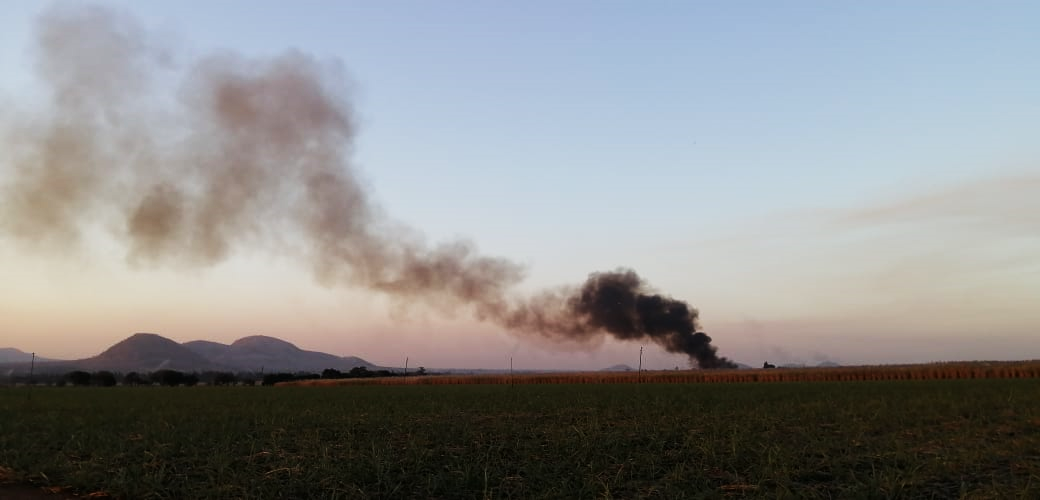 The Carbon Tax Act came into effect from 1 June 2019, aiming to decrease South Africa’s carbon emissions. The Carbon Tax Act will contribute towards achieving the objectives of the National Climate Change Response Policy of 2011 (NCCRP) and South Africa’s commitment to the Paris Agreement.
The NCCRP provides the general policy structure for facilitating the transition to a low carbon and climate resilient economy. In order to achieve these objectives, the South African government uses Carbon Tax to change the market behaviour of the consumers and producers. As indicated in the Explanatory Memorandum on the Carbon Tax Bill of 2018, an emissions trading system (ETS) is currently unsuitable due to the dominance of the carbon emissions by only a few oligopolistic companies. Tax is also a financial instrument that is much easier to administer and regulate. A headline carbon tax of R120 will be levied on fuel combustion, industrial processes and fugitive emissions, for every tons CO2 emission above the allowable threshold. However, during the first phase a relatively low carbon tax ranging between R6 and R48 per tons of CO2 will be allocated. The low carbon tax rate the result of the following allowances:
The low carbon tax rate and the exemption of the electricity sector allows companies to transition to cleaner technology before the second phase starts. From 1 January 2023, the second phase of carbon taxation will come into effect, by increasing the headline carbon tax rate of R120 annually by consumer price inflation (CPI). The Agriculture Forestry and Other Land Use (AFOLU) sectors are also exempt from the first implementation phase, due to measurement difficulties. Therefore, carbon tax will only affect the agriculture sector indirectly through higher fuel prices. The increased fuel prices will have a great effect on our food prices due to the long distances agricultural products usually needs to travel in the value chain. Not only will the increased food prices influence South Africa’s food security but also farmers profit margins due to increased input cost. Decreasing carbon emissions is a priority that all countries should partake in. However, the South African government needs to administer and allocate the extra carbon tax revenue wisely. The carbon tax revenue should be reinvested to promote and excel a greener economy that will benefit all South Africans. |
Photos from verchmarco (CC BY 2.0), verchmarco, NRCS Oregon, Lav Ulv, Rawpixel Ltd, JeepersMedia
